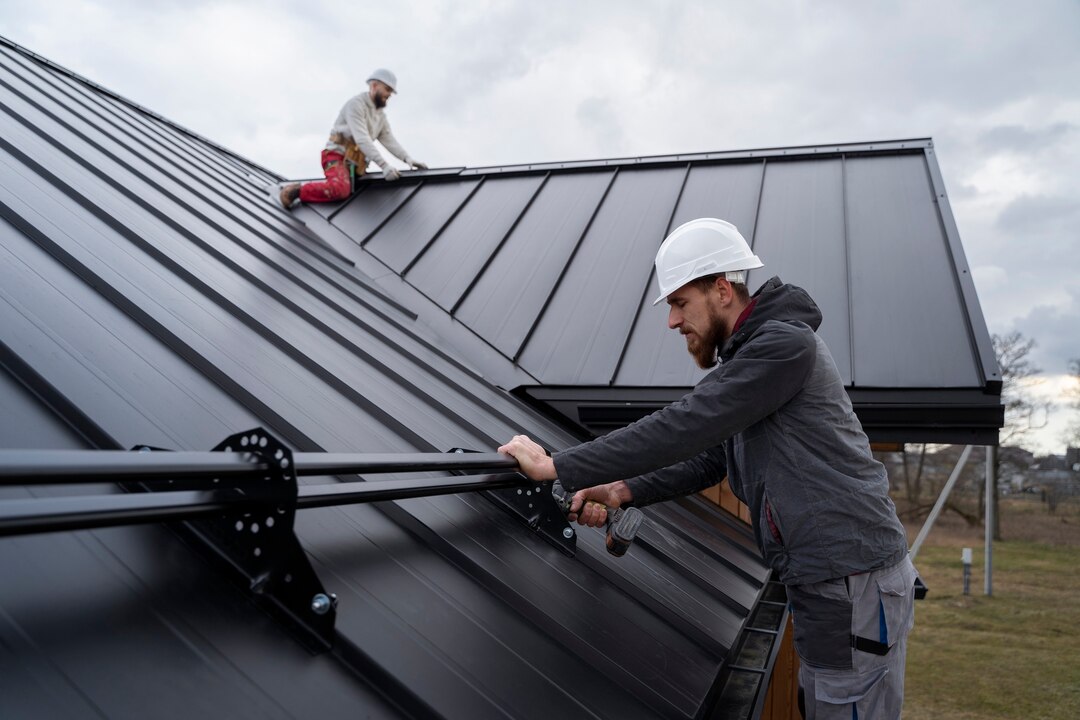
Your roof protects your home from rain, wind, heat, and storm damage. However, every roofing system will eventually wear out.
Some roof problems only need a simple repair. Others point to widespread damage that makes replacement the better option. Knowing the difference can help you protect your home and avoid costly interior repairs.
Louisiana roofs face strong sunlight, high humidity, heavy rain, wind, hail, and hurricanes. These conditions can shorten a roof’s service life. Here are ten common signs your home may need a new roof.
You may need a roof replacement when damage affects several parts of the roofing system. Frequent leaks, missing shingles, rotten decking, and structural movement are major warning signs.
One small leak does not always mean you need a new roof. A professional roof inspection can reveal the extent of the damage and help you choose between repair and replacement.
An old roof is more likely to leak or fail during severe weather.
The expected lifespan depends on the roofing material. Asphalt shingles often last about 20 to 30 years. Metal and tile roofs may last longer when installed and maintained correctly.
Heat, moisture, poor attic ventilation, and storm exposure can cause early wear. If your roof is reaching the end of its expected service life, schedule an inspection before problems begin.
Widespread shingle damage is one of the clearest signs you may need a new roof.
Shingles can crack, curl, buckle, or lift as they age. High winds may also tear shingles away and expose the underlayment or roof deck. These damaged areas allow water to enter your home.
A few missing shingles may only require a repair. However, damage across several roof slopes may make a full replacement more practical.
Excessive granule loss means your asphalt shingles are wearing down.
Roof granules protect shingles from UV rays, heat, and moisture. As shingles age, these granules loosen and wash into the gutters. You may also notice bald patches or dark areas on the roof.
A small amount of granule loss can be normal. Large amounts often point to roof deterioration, especially on an older roofing system.
Frequent or widespread leaks may indicate that the entire roof system is failing.
Leaks can develop around chimneys, vents, skylights, valleys, and flashing. Water may also enter through cracked shingles or damaged underlayment. Over time, moisture can damage insulation, ceilings, walls, and framing.
One isolated leak may be repairable. If leaks keep returning in different areas, replacing the roof may provide better long-term protection.
If you have an active leak, explore our Roof Repair Services. For damage that cannot wait, our Emergency Roofing Services can help you take the next step.
A sagging roof needs immediate professional attention.
The roof deck should look straight and even. Dips, curves, or low areas may point to trapped moisture, rotten wood, or structural weakness.
Do not climb onto a sagging roof. The surface may be unsafe. Contact a roofing contractor for a detailed assessment as soon as possible.
Ceiling stains and mold growth often indicate hidden roof damage.
Look for brown marks, peeling paint, damp insulation, musty odors, or mold in the attic. Water can travel along rafters before it becomes visible. For this reason, the source of the leak may not sit directly above the stain.
Ongoing moisture can damage wood and reduce indoor air quality. A professional inspection can identify the source and determine the right solution.
Visible daylight may reveal gaps or holes in the roofing system.
Check the attic during the day. Light coming through the roof deck may indicate missing materials, open seams, or damaged wood. You should also look for damp spots after rain.
Small openings can allow water, insects, and outside air into your home. Prompt repairs may stop the damage. Several openings or weak decking may support the need for a new roof.
Roof and attic problems can make your home harder to cool.
Damaged insulation, poor ventilation, and openings in the roof can allow heat and moisture to enter. Your air conditioning system must then work harder. This matters in Baton Rouge, where summers are hot and humid.
High energy bills do not always mean the roof is responsible. HVAC issues can cause similar problems. A roof and attic inspection can help identify the real source.
Severe weather can damage several parts of your roof at once.
Strong winds may lift or remove shingles. Hail can bruise or puncture roofing materials. Fallen branches may damage shingles, flashing, gutters, or roof decking.
Storm damage is not always visible from the ground. Arrange a Roof Inspection & Estimate after a major weather event. You can also learn about our Storm & Hail Damage Roof Repair Services if your property has been affected.
Take clear photos when it is safe. Keep records of the date, damaged areas, and any temporary work completed.
Repeated repairs may mean the roofing system is no longer dependable.
You may fix one leak only to find another a few months later. Shingles may continue to loosen, and damaged areas may appear on different roof slopes. Repair costs can quickly add up.
A complete roof replacement may offer better value when damage is widespread. It also gives the contractor a chance to inspect the decking, flashing, ventilation, and other key components.
A roof repair may be enough when the damage is small, and the rest of the roof remains in good condition. Replacement may be better when the roof is old, unstable, or damaged across several areas.
A repair may suit your home when:
A replacement may be the better choice when:
A professional inspection provides the information you need to make a sound decision.
Baton Rouge weather places year-round pressure on residential roofing systems.
Strong sunlight can dry and weaken shingles. High humidity encourages moisture problems. Heavy rain tests flashing, valleys, gutters, and drainage systems. Tropical storms, hurricanes, wind, and hail can cause sudden damage.
Regular maintenance and storm inspections can help you find problems early.
A professional inspection checks the entire roofing system, not only the shingles.
The roofer will usually:
This process helps you understand the roof’s condition before approving any work.
The cost of a roof replacement depends on your home and the work required.
Important factors include:
A site inspection is the best way to receive an accurate estimate.
Simple preparation can make the project safer and easier.
Move vehicles away from the home. Clear furniture and fragile items from outdoor areas. Remove delicate wall decorations because roofing work may cause vibration.
Keep children and pets away from the work zone. You should also ask your contractor about the schedule, materials, ventilation, and warranty terms before work begins.
Do not ignore missing shingles, recurring leaks, ceiling stains, or a sagging roofline. Early action can help prevent water damage and protect the structure of your home.
If you see several signs that your home needs a new roof, contact Spears Roofing and Repair Services. Call (225) 235-0204 to request a roof inspection in Baton Rouge or a nearby service area.