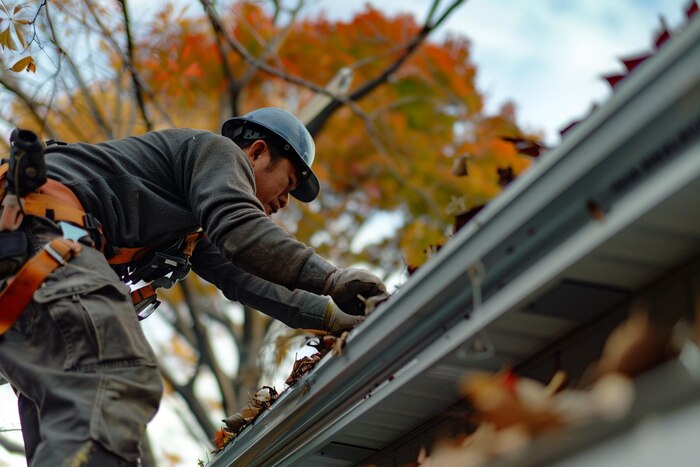
Fall roof maintenance helps prevent leaks, moisture damage, and costly repairs. It also prepares your home for Louisiana’s changing weather.
Hot summers, hurricanes, strong winds, and heavy rain can weaken a roof. A fall inspection lets you find damage before it gets worse. Use this simple checklist to protect your roof, attic, and home.
Fall is the right time to check your roof for summer and storm damage. Louisiana’s heat, humidity, rain, and strong winds can affect many roofing materials.
Small problems may not be easy to see from the ground. A loose shingle or damaged seal can let water enter your home. Over time, that moisture may damage the roof deck, insulation, ceilings, and walls.
Routine Louisiana roof maintenance can help you:
Completing these tasks before winter gives your home better protection during wet weather.
A good fall roofing checklist covers the roof surface, gutters, flashing, attic, and nearby trees. Start with a visual check. Then arrange a professional roof inspection if you notice damage.
Check for missing, loose, cracked, or curled shingles. These problems can leave the roof deck exposed to rain.
Look for dark patches and bare areas on asphalt shingles. These signs may show granule loss. Granules protect shingles from sunlight and heat. Excessive loss can mean the roof is aging or has suffered hail damage.
Never walk on a steep, wet, or damaged roof. You can inspect many areas from the ground with binoculars. Contact a roofer if you see signs of shingle damage.
Strong winds can lift shingles and loosen roofing materials. Hail can leave dents, cracks, and impact marks. Falling branches may also damage the roof surface.
Inspect your property after a hurricane, thunderstorm, or severe wind event. Look for roofing debris in the yard and shingles that no longer lie flat.
Some storm damage is hidden. Schedule a professional assessment when you suspect a problem. Our Storm and Hail Damage Roof Repair Services can help identify damage and recommend the right solution.
Clean gutters allow rainwater to move away from your roof and foundation. Leaves, pine needles, dirt, and shingle granules can block this flow.
Clogged gutters may cause water to collect along the roof edge. This can damage shingles, fascia boards, soffits, and exterior walls.
Remove visible debris and check for standing water. Make sure each downspout directs water away from the house. Secure any loose or sagging gutter sections.
Trim nearby branches to reduce the risk of roof damage. Branches can scrape shingles during windy weather. Large limbs may also break and fall during storms.
Overhanging trees drop leaves and debris onto the roof. This material can trap moisture and block gutters.
Keep branches a safe distance from the roof. Hire a tree professional for large limbs or trees close to utility lines.
Louisiana’s warm and humid climate supports algae, moss, and mold growth. Black streaks are common on asphalt shingle roofs. Moss may also grow in shaded areas.
Organic growth can hold moisture against the roof. It may shorten the life of the shingles if ignored.
Avoid using a pressure washer on your roof. High-pressure water can remove protective granules and force water beneath shingles. Ask a roofing professional about safe cleaning methods.
Flashing seals the areas around chimneys, skylights, vents, and roof joints. Damaged or loose flashing is a common cause of roof leaks.
Look for rust, gaps, cracks, and lifted metal. Check the seals around plumbing vents and other roof penetrations. Old sealant may shrink or break after long exposure to sunlight.
A roofer can repair damaged flashing and reseal weak areas before the next heavy rain.
Your attic may show roof damage before you notice a leak inside a room. Inspect it during daylight and after rainfall.
Look for:
Do not ignore a small stain. Water can travel along rafters before it becomes visible. Our Roof Repair Services can locate the source and stop further damage.
Good attic ventilation helps control heat and moisture. It also reduces condensation beneath the roof deck.
Check that soffit, ridge, and exhaust vents remain open. Insulation should not block airflow near the eaves. Wet insulation should be replaced after the leak has been repaired.
Balanced ventilation may improve energy efficiency and protect roofing materials. It can also reduce mold growth and wood rot.
Fascia and soffits protect the edges and underside of your roof. They can develop damage when gutters overflow or roof leaks remain untreated.
Look for soft wood, peeling paint, stains, cracks, and pest entry points. Check for gaps along the roof edge. Early repairs can stop moisture from reaching deeper structural areas.
Flat and low-slope roofs need clear drainage. Water should not remain on the surface after rainfall.
Look for ponding water, loose seams, bubbles, cracks, and damaged roof membranes. Remove debris near drains and scuppers.
Standing water can speed up material damage. It may also increase the chance of a commercial or residential roof leak.
Louisiana homeowners often find moisture and storm-related problems during fall. Common issues include:
Prompt repairs can keep these problems from spreading.
Call a roofing contractor when you notice an active leak, missing shingles, or a sagging roof area. These signs may point to serious damage.
You should also request help if you find:
Professional Roof Inspection and Estimate Services can confirm the cause and scope of the problem.
You can complete basic checks from the ground or inside your attic. You may inspect shingles with binoculars, look for indoor water stains, and clear accessible downspout openings.
Leave roof climbing and repairs to trained professionals. Roofs can be slippery, steep, and unstable. The risk increases after rain or storm damage.
You should contact a roofer for active leaks, damaged flashing, missing shingles, or suspected hail damage.
Inspect your roof at least once each year and after major storms. Older roofs may need more frequent checks.
Do not wait for water to enter your home. Arrange an inspection when you see loose shingles, roof debris, stains, or signs of moisture.
A fall inspection creates a clear record of your roof’s condition. This information may also support future maintenance plans and roofing insurance claims.
Document visible damage before making permanent repairs. Take clear photos and videos of the roof, yard, attic, ceilings, and walls.
Record the date of the storm or leak. Keep inspection reports, repair estimates, receipts, and messages from your insurance company.
Temporary repairs may be needed to prevent more water from entering. Avoid putting yourself at risk. Our Insurance Claim Assistance service can help you organize roof damage documentation and understand the next steps.
Roof damage becomes an emergency when it puts your home or safety at immediate risk. Fast action may prevent further water and structural damage.
Contact an emergency roofer for:
Our Emergency Roofing Services include temporary roof repair and emergency tarping when appropriate.
A fall roof inspection can find damage before the next period of heavy rain. It can also help you plan repairs without waiting for an emergency.
Spears Roofing and Repair Services provides residential roof inspection services. We serve Baton Rouge, Gonzales, Denham Springs, Ascension, and nearby Louisiana communities.
Call (225) 235-0204 to schedule your fall roof inspection and protect your home.