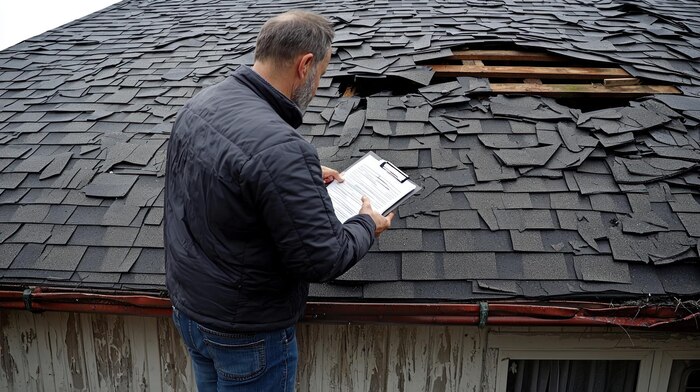
A roofing emergency needs quick action. A major leak, fallen tree, or missing section of roofing can expose your home to water and structural damage.
However, safety must come first. Do not climb onto a wet or damaged roof. Protect your family, control indoor water when safe, and call an emergency roofing contractor.
Knowing what to do can help you limit the damage and prepare for permanent repairs.
A roofing problem becomes an emergency when it threatens your home or personal safety. It may allow water to enter or leave part of the property exposed.
Common roofing emergencies include:
A minor leak may also become urgent. Water can spread behind walls and ceilings before you notice the full damage.
Severe weather causes many emergency roof problems in Baton Rouge. Heavy rain, high winds, hail, and tropical storms can damage several parts of a roofing system.
Strong winds can lift or remove shingles. This exposes the underlayment and roof decking. Wind can also loosen flashing around chimneys, vents, and roof edges.
Hail may crack shingles or knock away protective granules. These small impact points can later allow moisture into the roof.
Other common causes include:
Regular roof inspections and estimates can uncover weak areas before they become urgent problems.
An active leak is one clear warning sign. However, emergency roof damage does not always appear as water dripping into a room.
Check for these signs:
Do not ignore a small ceiling stain. The visible mark may be far from the actual entry point. Water often moves along rafters, pipes, or insulation before appearing indoors.
You can reduce further damage by following a few clear steps.
Keep everyone away from rooms with sagging ceilings or heavy water damage. Turn off electricity to the affected area if water is close to wiring or fixtures. Only do this when you can reach the breaker safely.
Leave the property if the roof appears unstable. Call emergency services when there is a risk of collapse, fire, or serious injury.
Never climb onto the roof during rain, lightning, or high winds.
Place buckets or containers below active drips. Move furniture, electronics, rugs, and personal items away from the affected area.
Use waterproof covers for items that cannot be moved. Remove standing water if the area is safe and free from electrical hazards.
Do not puncture a bulging ceiling unless a qualified professional tells you it is safe. A ceiling filled with water can collapse without warning.
Contact a local roofing company as soon as possible. Describe the visible damage, when it happened, and whether water is still entering the home.
The roofing team may recommend emergency tarping or another temporary repair. They can then inspect the roof and plan a permanent solution.
Spears Roofing and Repair Services provides emergency roofing support in Baton Rouge and the surrounding areas. Call (225) 235-0204 if your home needs urgent roofing help.
Take photos and videos from a safe location. Capture both wide views and close details.
Document:
Write down when you first noticed the damage. Keep inspection reports, estimates, receipts, and messages from your insurance company.
For a complete checklist, read our guide on How to Document Roof Damage for An Insurance Claim.
Some actions can make the situation more dangerous.
Do not:
A temporary fix may slow the leak. It does not confirm that the roof structure is safe.
Emergency roof tarping provides short-term protection. A secure tarp covers an exposed area until permanent roof repairs can begin.
Tarping may help:
A tarp is not a permanent roofing solution. Wind, sun, and rain can loosen it over time. Arrange a full inspection and repair as soon as conditions allow.
A professional inspection identifies the source and extent of the damage. The roofer first checks immediate safety concerns.
The exterior assessment may cover:
The interior inspection may include the attic, ceilings, insulation, and visible framing. The roofer will look for moisture, damaged rafters, mold, and hidden water paths.
You should then receive repair recommendations. These may include temporary weatherproofing, roof leak repair, structural work, or roof replacement.
Emergency roof repair addresses an immediate threat. Its goal is to stop water, secure loose materials, and protect unsafe areas.
Temporary roof repair provides short-term protection when a complete repair cannot happen at once. Common methods include tarping, temporary patches, and sealants.
Weather, material availability, and the level of damage may affect when permanent work can begin. Ask the roofer which repairs are temporary and what follow-up work you need.
Many damaged roofs can be repaired. The right choice depends on the roof’s age, condition, and level of damage.
A focused repair may work when the damage affects a small area. Replacement may be more practical when damage is widespread or the roof is near the end of its useful life.
The roofer will consider:
Our guide to Roof repair vs. Roof Replacement can help you understand these options before making a decision.
Homeowners insurance may cover roof damage caused by a sudden event. Examples may include hail, high winds, falling trees, or another covered storm event.
Coverage depends on your policy, deductible, roof condition, and cause of damage. Damage caused by poor maintenance or normal wear may not qualify.
Contact your insurer soon after the event. Provide clear photos and written documentation. Avoid making permanent repairs until you understand the claim requirements, unless waiting would create a safety risk or cause more damage.
Our insurance claim assistance service can help you organize roof damage documentation and repair estimates. Coverage decisions remain with your insurance provider.
The cost depends on the damage and the work needed to secure the home. A small temporary patch will not cost the same as structural repair after a fallen tree.
Pricing factors may include:
Ask for a clear inspection and written estimate. This helps you understand the immediate work and any permanent repairs that must follow.
Choose a roofer with experience handling urgent leaks and storm damage. The contractor should explain what happened, what must happen now, and what can wait.
Look for:
Avoid making decisions based only on the lowest estimate. An incomplete repair may allow the leak to return.
You cannot prevent every storm. You can still reduce your risk with regular care.
Schedule routine roof inspections. Replace loose or damaged shingles early. Keep gutters clear so rainwater can drain away from the roof.
Trim branches that hang over your home. Check the attic for moisture, dark stains, or musty odors. Have flashing and roof penetrations checked when you notice signs of wear.
After severe weather, arrange a storm and hail damage roof inspection. Early repairs can prevent a minor issue from becoming an emergency.
Fast action can limit water damage and protect your home. Stay away from unstable areas, control indoor water when safe, document the damage, and contact a professional roofer.
Spears Roofing and Repair Services provides emergency roofing services. We serve Baton Rouge, Gonzales, Denham Springs, Ascension, and surrounding communities.
If your roof is leaking or exposed, call (225) 235-0204 for urgent roofing assistance.